- EaseUS Freeware
- Free Data Recovery Software
- Free Backup Software
- Free Partition Manager
Updated on 2026-06-10
This article applies to:
EaseUS Data Recovery Wizard (Windows & Mac)

Introduction
If you want to know which type of hard drive is installed on your computer, please try 2 easy ways to check if your drive is a Solid State (SSD) or a standard platter hard drive (HDD).
For Windows:
For MacOS:
1. Check via System Report (No technical skills required)
2. Check via Terminal (For advanced users)
Disable TRIM of SSD before recovering lost files from SSD, you will get help from this article:
https://kb.easeus.com/other/30028.html
Check in Tassk Manager
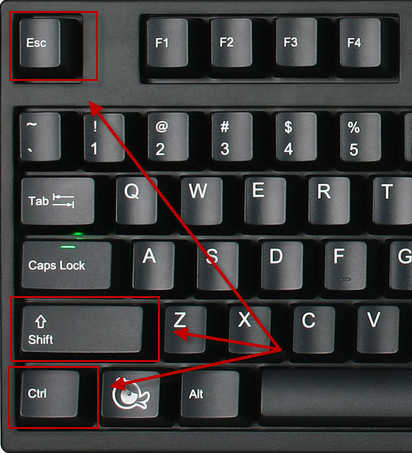
1. Press "Ctrl+⇧ Shift+Esc" to the Task Manager.
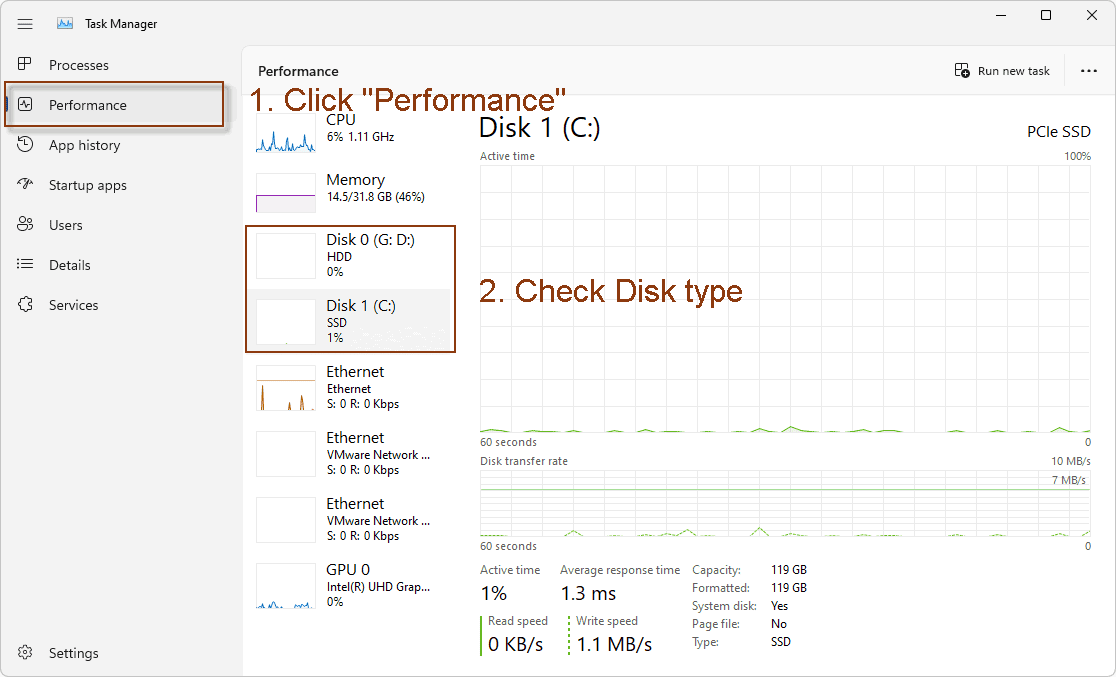
2. Select the Performance tab. Your PC's drives are labeled as Disk 0, Disk 1, etc. Under the name and letter of each hard drive, you'll see if it's an HDD, an SSD, or a removable drive such as a USB flash drive.
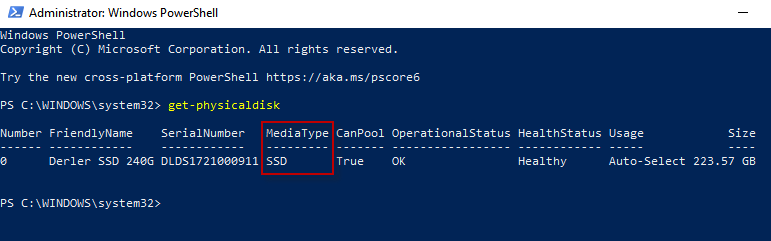
Use WindowsPowerShell
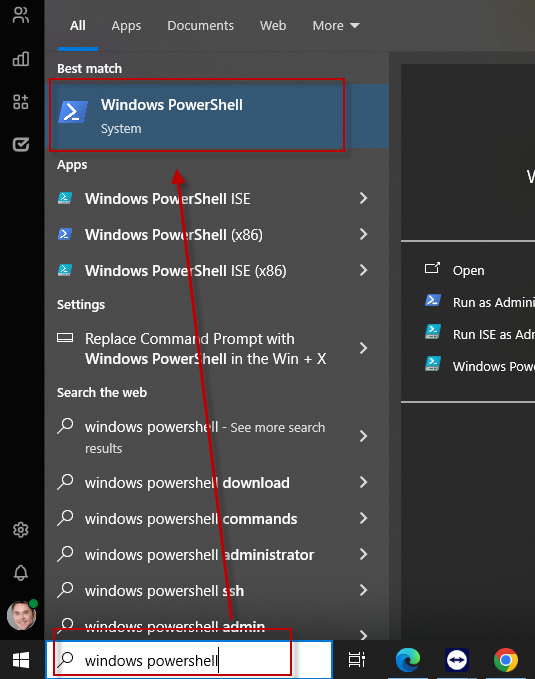
1. Open the Windows Search bar. Click the magnifying glass located on the left-hand side of your toolbar.

2. Type PowerShell. Select Windows PowerShell from the given results.
3. Type Get-PhysicalDisk . This will pull up a chart displaying the physical disk drives installed on your PC.
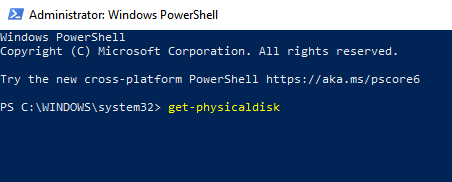
4. Find your drive type under "MediaType". The MediaType column will read either HDD or SSD for each of your hard drives.
Check via System Report
1. Click the Apple icon in the top-left corner of your screen.
2. Select About This Mac.
3. Click the System Report button (on some macOS versions, it may be labeled "More Info" or "System Information").
4. In the left sidebar, under the Hardware section, select Storage.
5. In the main panel on the right, look for the Medium Type column.
- If it says SSD, your drive is a Solid State Drive.
- If it says HDD, your drive is a Hard Disk Drive.
Alternatively, you can directly check in the Storage tab under "About This Mac" — if it indicates "Flash Storage" or "Solid State Drive", your Mac is equipped with an SSD.
Check via Terminal
1. Open Terminal from '/Applications/Utilities/'.
2. In the Terminal window, type the following command and press Enter:
system_profiler SPSerialATADataType
Or use a more direct filtering command:
system_profiler SPStorageDataType | grep "Media Type"

3. The output will show your drive's media type as either SSD or HDD.

You can also use the following alternative command to quickly check:
diskutil info / | grep "Media Type"

Note:
On Macs with Apple Silicon (M1/M2/M3/M4 chips), the built-in SSD is typically recognized directly by the system as an SSD without additional configuration.
Do you need specialized Manual Data Recovery Services?
You may need further help for tough data loss situations like reformatting drive, RAW disk, partition loss, repartition failures, system boot error and virtual disk corruption. Consult with EaseUS Data Recovery Experts for cost-efficient one-on-one manual recovery service. They could offer the following services after FREE diagnosis:
1. Repair corrupted RAID structure
2. Unformat the drive which was formatted by mistake
3. Repair damaged RAW drive that needs to be reformatted (Bitlocker encrypted drive is also supported)
4. Repair unbootable Windows operating system
5. Recover/repair lost partition and reparitioned drive (the one that cannot be recovered by software)
6. Repair corrupted virtual disk file (.vmdk, .vhd, .vhdx, etc.)
Activate Live Chat Call Us: 1-800-992-8995